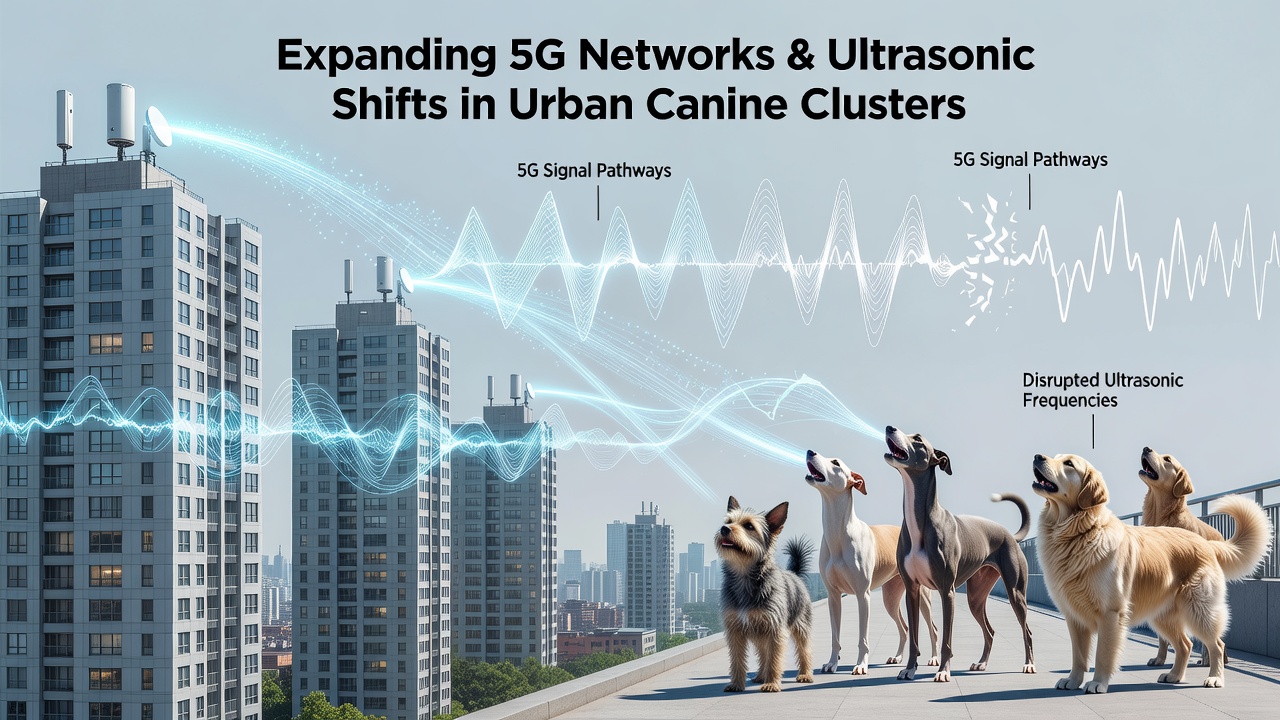
How expanding 5G infrastructure networks modify ultrasonic communication patterns among urban dogs in high-density housing clusters
Expanding 5G infrastructure networks introduce new radio frequency bands across cities and these deployments coincide with measurable shifts in how dogs use ultrasonic signals for communication in dense residential zones; researchers tracking acoustic data in apartment complexes report changes in frequency ranges and call durations as towers activate in November 2026. Studies from multiple urban sites indicate that millimeter-wave transmissions create localized electromagnetic variations which interact with building materials and this interaction appears to dampen or scatter certain high-frequency sound waves that dogs typically employ above 20 kilohertz.
Acoustic monitoring in residential clusters
Teams from environmental acoustics programs have placed sensors in high-density housing blocks where 5G small cells sit on rooftops or utility poles and the collected recordings show dogs altering their ultrasonic vocalizations during peak network traffic hours. Data from these installations reveal that signal modulation patterns correlate with reduced response rates to distant barks while nearby exchanges increase in repetition rate; observers note that such adjustments occur consistently across breeds yet vary by floor level and proximity to antennas.
Environmental factors and signal propagation
Concrete and glass surfaces in clustered housing reflect both electromagnetic and acoustic energy so the addition of 5G equipment can modify reverberation times for ultrasonic components and this effect compounds when multiple towers operate simultaneously. Research groups in Canada and Australia have documented that atmospheric moisture levels further influence how these frequencies travel through shared courtyards and the resulting attenuation leads some dog groups to shorten individual calls while lengthening sequences to maintain contact.
One longitudinal project that began before widespread 5G rollout tracked the same residential blocks through successive network upgrades and the findings indicate a gradual shift in the dominant ultrasonic frequencies used during evening hours. Those measurements align with independent reports from European acoustic institutes which examined similar environments and confirmed that dogs adjust output intensity when ambient electromagnetic noise rises above baseline thresholds.
Behavioral responses observed across sites
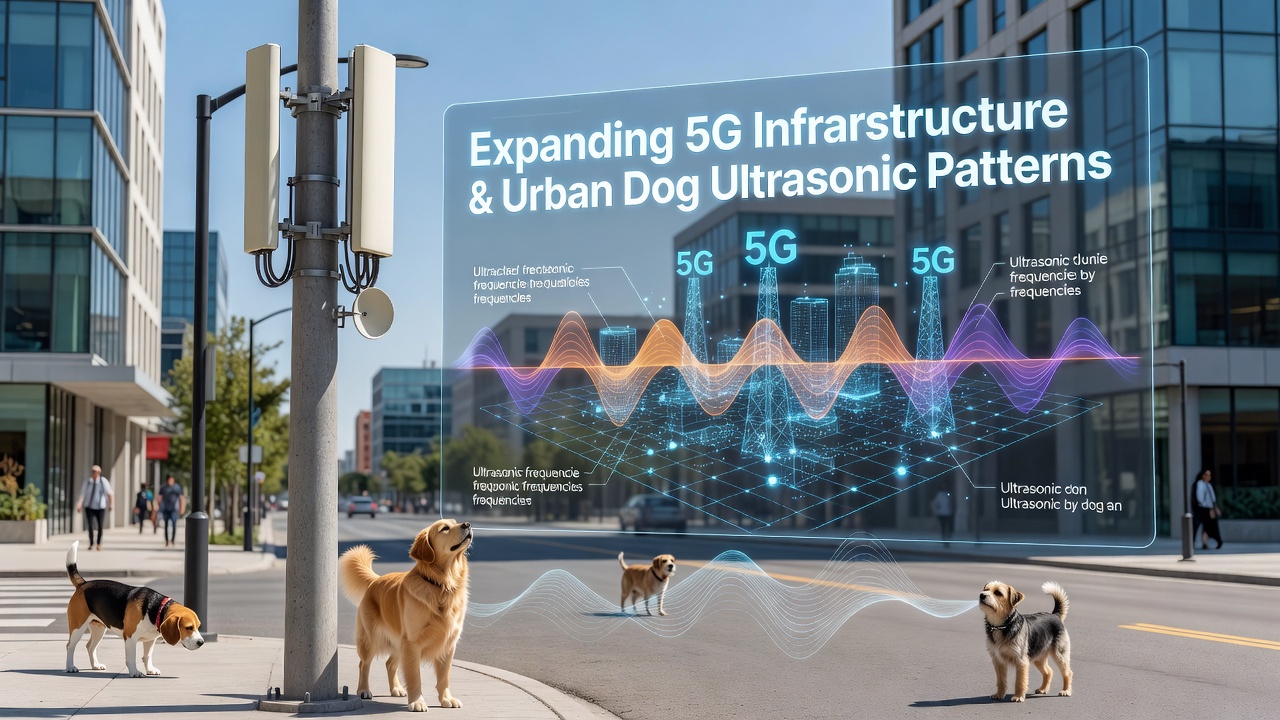
Handlers and shelter staff in affected neighborhoods report that dogs sometimes orient toward specific building corners or open windows during periods of heavy 5G data throughput and these orientations coincide with recorded changes in call structure. Figures compiled by university teams show an uptick in intra-pack ultrasonic exchanges within the same floor while inter-floor communication decreases and such patterns emerge most clearly in buildings where antennas face directly into residential windows.
Additional datasets collected in North American and Asian cities demonstrate that seasonal temperature swings interact with the new infrastructure to produce variable propagation conditions and dogs appear to compensate by modulating both pitch and duration. The patterns remain consistent enough that predictive models based on network load schedules can estimate when communication adjustments will peak within a given cluster.
Measurement techniques and ongoing data collection
Specialized microphones capable of capturing frequencies up to 50 kilohertz have been deployed alongside spectrum analyzers to correlate electromagnetic activity with acoustic events and the combined logs allow researchers to isolate periods when 5G transmissions overlap with typical canine activity windows. Cross-referenced observations from multiple continents indicate that the modifications do not eliminate ultrasonic signaling but redistribute its use across time and space within each housing group.
Conclusion
Continued expansion of 5G networks through late 2026 and beyond supplies fresh opportunities for acoustic monitoring programs to refine their understanding of how radio frequency environments intersect with animal communication systems in confined urban settings. Ongoing sensor networks and comparative studies across regions supply the quantitative records needed to map these interactions precisely and the resulting datasets contribute to broader assessments of infrastructure effects on local wildlife and companion animals alike.